Aluminum vs. Steel Solar Mounting Systems: Which Should You Choose?
Choosing the right material for your solar mounting system feels like a high-stakes decision. You're trying to balance cost, durability, and ease of installation. Pick the wrong one, and you could face budget overruns from high labor costs, or worse, long-term failures from corrosion. The conversation around aluminum vs. steel solar mounting systems shouldn't be about finding one "best" material, but about understanding the right trade-offs for your specific project.
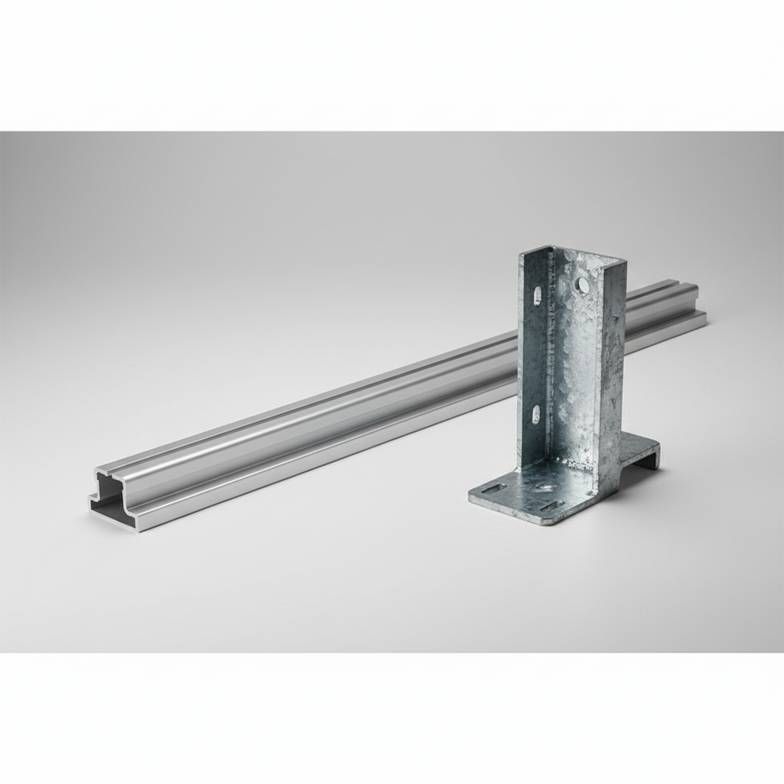
The choice between aluminum and steel solar mounting systems depends heavily on the application. Aluminum is generally the superior choice for rooftop projects due to its light weight, which reduces roof load, and its inherent corrosion resistance. Steel is typically preferred for large-scale, ground-mounted solar farms where its high strength allows for longer spans between foundations, significantly reducing civil work and overall project costs.
Now that you have the quick answer, let's dive into the details that really matter. Understanding why each material excels in certain situations will arm you with the right questions and help you make the most cost-effective choice for your next solar installation.
When Does Aluminum Make the Most Sense for Solar Mounting Systems?
Are you worried about overloading a roof or dealing with complicated logistics on site? The sheer weight of components can turn a straightforward installation into a logistical nightmare, adding time and labor costs. This is where a lighter material truly shines.
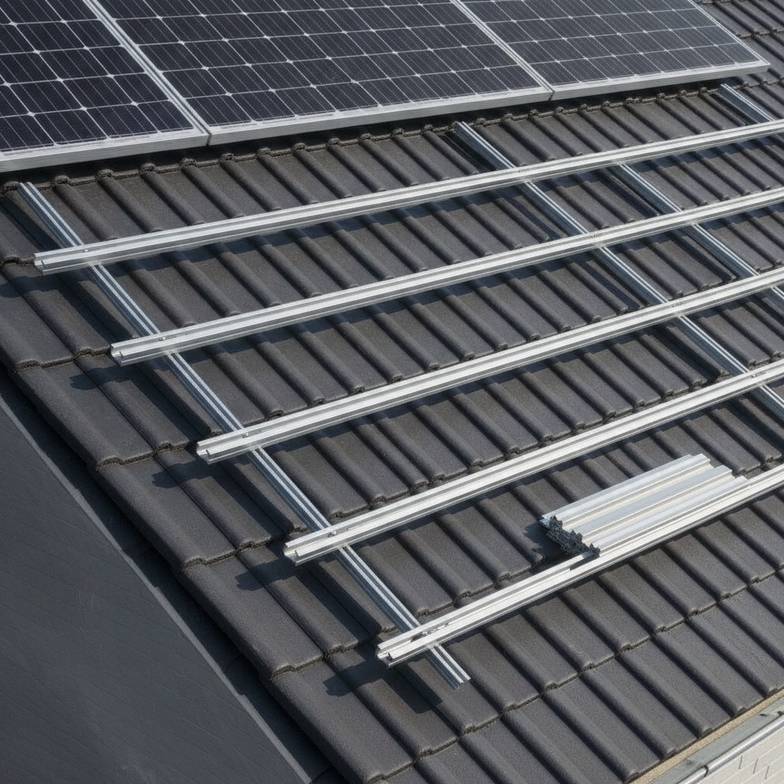
Aluminum solar mounting systems are the go-to choice for the vast majority of residential and commercial rooftop projects. Their excellent corrosion resistance and low weight reduce the structural load on the building and make handling and installation faster, safer, and easier for your crew.
The Weight Advantage: More Than Just a Number
Let's be honest, numbers on a spec sheet don't always tell the full story. Yes, aluminum is about one-third the weight of steel. But what does that mean in the real world?
First, it means lower shipping costs to get the material to your site. Second, and more importantly, it means easier on-site handling. I've heard from countless installers who can carry enough aluminum rails for an entire string in a single trip up the ladder. That's something that’s just not practical with steel. This translates directly into:
Faster installation times: Less fatigue and easier maneuvering means your team can work more efficiently.
Smaller crew sizes: Often, one person can handle and position aluminum rails, whereas steel might require two people or even lifting equipment.
Reduced roof load: This is the most critical factor for rooftop solar. Every kilogram you add to a roof structure has to be accounted for. Using a lightweight aluminum system often means you can avoid costly structural reinforcements.
For most sloped residential roofs and many flat commercial roofs, the load-bearing capacity is a primary constraint, making aluminum the default, safer choice.
Natural Corrosion Resistance: A Built-In Benefit
One of aluminum’s most celebrated features is its natural ability to resist corrosion. When exposed to air, aluminum forms a thin, tough, and transparent layer of aluminum oxide on its surface. This layer is passive and self-healing—if it gets scratched, it instantly reforms, protecting the metal underneath.
To enhance this natural protection, most solar mounting rails are made from alloys like 6005-T5 or 6063-T6 and are then anodized. Anodizing is an electrochemical process that thickens this protective oxide layer, typically to a depth of 10-15 microns. This makes the material incredibly resilient, even in harsh environments.
This is why anodized aluminum is a fantastic choice for:
Coastal installations: It holds up extremely well against salt spray.
Humid climates: It won't suffer from the red rust that can plague poorly coated steel.
Long-term aesthetics: It maintains a clean, uniform finish for decades without painting or maintenance.
Installation Speed and Flexibility
Because aluminum is extruded, it can be formed into highly complex and optimized profiles. This allows for clever design features that you just don't get with steel. Think of integrated channels for wire management, T-slots for drop-in T-bolts, and click-and-lock clamping mechanisms. These features aren't just for show; they dramatically reduce the time spent fumbling with nuts and bolts on a hot roof, leading to faster, more profitable installations.
What Are the Key Advantages of Steel Solar Mounting Systems?
Are you planning a massive multi-megawatt project and trying to optimize every last cent per watt? For utility-scale developers, the cost of foundations and the sheer volume of material can quickly spiral out of control, eating into your project's return on investment.
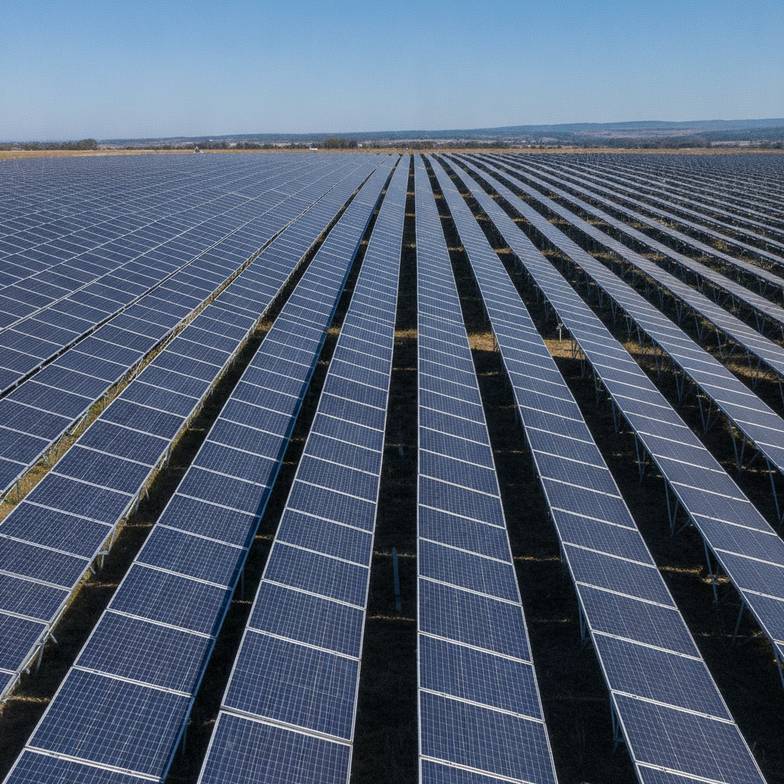
This is where steel comes into its own. Steel solar mounting systems are the undisputed champions of large-scale ground-mounted and solar carport projects. Their superior strength and stiffness allow for much longer spans between foundations, which drastically reduces the number of piles to drive and the amount of concrete to pour. This efficiency in civil works is what drives down the total installed cost.
Strength and Scale: Doing More with Less
The high tensile strength of steel is its killer feature for large projects. It means a single steel post or beam can support a greater number of solar modules over a longer distance without sagging or failing under wind and snow loads.
This structural efficiency translates into major cost savings:
Fewer Foundations: By increasing the span from, say, 4 meters to 8 meters, you can cut the number of ground penetrations in half.
Reduced Civil Works: Fewer foundations mean less surveying, less drilling or pile driving, and a massive reduction in concrete usage.
Lower Material & Labor Costs: While steel is heavy, using less of it overall (fewer posts and beams) brings down the total material and labor bill for site preparation and assembly.
On a 100-megawatt solar farm, these savings add up very quickly and are critical to achieving a low Levelized Cost of Energy (LCOE).
The Critical Role of Protective Coatings
The big question with steel is always corrosion. Unlike aluminum, steel will rust if left unprotected. Therefore, the quality and type of its protective coating are everything. Simply saying a system is "steel" is not enough; you have to know how it's protected.
A frequent question we get from buyers is about steel's longevity. The answer always comes down to the coating. Here are the main types you'll encounter:
Hot-Dip Galvanized (HDG) Steel: This is the industry workhorse. The steel component is fully submerged in a bath of molten zinc after fabrication. This creates a thick, durable, and metallurgically bonded coating (often 80 microns or more). HDG coatings are excellent because they offer "sacrificial protection"—if the surface is scratched, the surrounding zinc will corrode first, protecting the steel.
Pre-Galvanized Steel: Here, a zinc coating is applied to the steel sheet at the mill before it's cut and formed. This coating is much thinner than HDG and leaves the cut edges exposed and vulnerable to rust. It's suitable for less corrosive environments or for internal components, but it's not ideal for primary structural parts exposed to the elements.
Zinc-Aluminum-Magnesium (ZAM) Alloy Coatings: Often sold under brand names like Magnelis®, this is a premium coating. It offers significantly better corrosion resistance than traditional galvanizing, especially at cut edges where it has a powerful self-healing effect. This superior protection sometimes allows designers to use thinner steel sections, saving weight and cost.
When evaluating steel systems, the type and thickness of the coating are non-negotiable details.
How Do You Choose Between Aluminum vs. Steel Solar Mounting Systems for Your Project?
So you understand the individual strengths of aluminum and steel. But now you're looking at your project plans, and the choice still isn't perfectly clear. How do you move from theory to a confident purchasing decision?
The right choice comes from evaluating your project against four key factors: the project's type and scale, its environmental conditions, your installation constraints, and the total project budget. This is a balancing act, and asking the right questions is the key to getting it right.
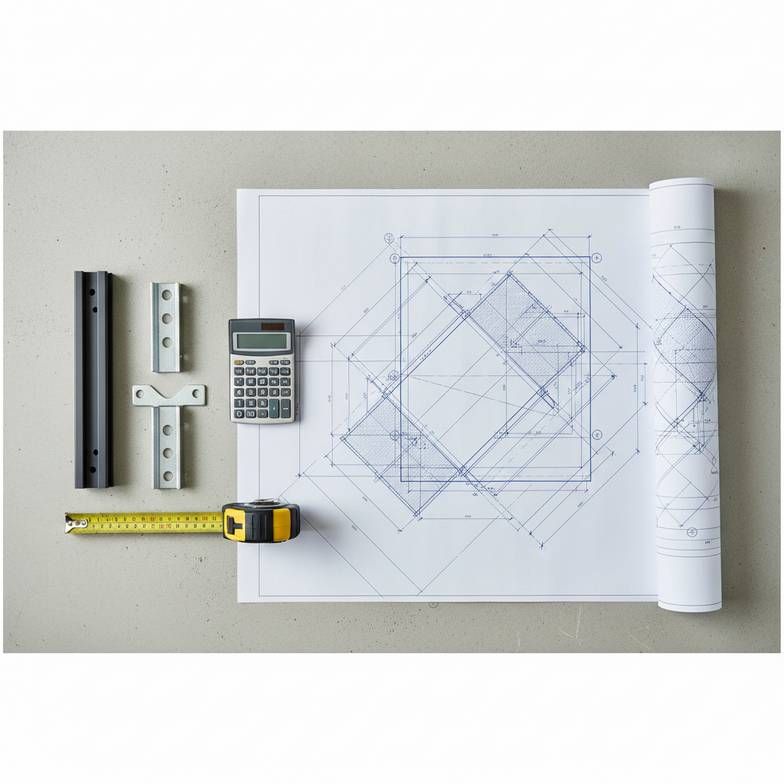
1. Project Type and Scale
This is your first filter.
Rooftop Projects: Is it a sloped residential roof or a large, flat commercial roof? In almost every case, roof load capacity is the number one concern. For this reason, lightweight aluminum is the default and overwhelmingly correct choice. Unless a structural engineer specifies steel for a very unique, high-load commercial roof, you should be looking at aluminum systems.
Ground-Mount Projects: Here, scale is everything. For a small sub-100kW ground mount, an aluminum system might be viable and easier for a small crew to install. But once you scale up to utility-level projects, the cost efficiencies of steel become undeniable. The reduction in foundation work makes steel the clear winner for large solar farms.
2. Environmental Conditions
Where is your project located? A system that’s perfect for a dry, inland climate might fail prematurely in a coastal region.
Corrosion Risk: We always ask for the project's exact address first. If your site is within a few miles of the coast (high salt spray) or in an industrial zone with pollutants, you need superior corrosion protection. This means either a high-quality anodized aluminum or a steel system with a very robust coating like thick hot-dip galvanizing (HDG) or a ZAM coating.
Wind and Snow Loads: Regions with hurricanes or heavy snowfall require stronger structures. This could mean using a heavier-duty aluminum rail profile or making the switch to steel altogether. This decision must be based on a structural analysis that considers local building codes and site-specific load requirements.
3. The Questions You MUST Ask Your Supplier
To de-risk your purchase, you need to move beyond marketing claims and get specific data. A good supplier will welcome these questions.
If you are considering a STEEL system, ask:
"What is the specific steel grade being used (e.g., Q235, S355)?"
"What type of protective coating is it? Hot-dip galvanized, pre-galvanized, or a ZAM alloy?"
"What is the coating thickness in microns? Can you provide a test report or certification for the coating?"
"How are cut edges and welded areas treated to ensure protection?"
If you are considering an ALUMINUM system, ask:
"What is the specific aluminum alloy (e.g., 6005-T5, 6063-T6)?"
"Is it anodized? If so, what is the anodization thickness in microns?"
"What are the certified wind and snow load capacities for the specific rail profiles I am buying?"
Getting clear answers to these questions is how you compare apples to apples and ensure you're buying a system built to last.
Frequently Asked Questions
Is steel or aluminum cheaper for solar mounting?
Steel is cheaper per kilogram, but the total installed cost is what matters. For rooftops, aluminum is often cheaper overall because it significantly reduces labor time and avoids potential roof reinforcement costs. For large ground-mounts, steel is almost always cheaper due to the massive savings on foundations and civil works.
How long do solar mounting systems last?
A well-designed system, whether it's aluminum or steel, should be engineered to last for the 25+ year lifespan of the solar panels. The key is choosing the right material and, for steel, the right protective coating for your specific environment and ensuring a professional installation.
Can you mix aluminum and steel components?
Yes, this is very common in solar mounting systems. For instance, many systems use aluminum rails with stainless steel fasteners or connect aluminum structures to galvanized steel ground screws. However, it's critical to prevent galvanic corrosion by using insulating EPDM pads or choosing compatible metals. Any reputable supplier will have already engineered their system to manage this.
What is better for coastal areas, aluminum or steel?
Both can work, but the details are crucial. Marine-grade anodized aluminum (like 6005-T5 with a 15-micron anodized layer) provides excellent performance. For steel, you absolutely need a premium coating—either a very thick hot-dip galvanized layer (85+ microns) or a superior Zinc-Aluminum-Magnesium (ZAM) alloy coating to withstand the harsh salt spray.
Conclusion
Ultimately, the debate over aluminum vs. steel solar mounting systems is resolved by looking closely at your project's unique requirements. The choice isn't about a universal "best" but about the right fit. For rooftop projects, the low weight, corrosion resistance, and installation ease of aluminum make it the clear front-runner. For large-scale ground-mounted projects, the superior strength and foundation-saving economics of steel make it the dominant choice. More important than the base metal is the quality of the specific alloy, the type and thickness of the protective coating, and a design that's been properly engineered for your site's specific wind and snow loads.
Ready to find the optimal mounting solution for your solar project? The best path forward is to gather your key information—your site location, project layout drawings, solar module specifications, and local load requirements. Submit your project details to us, and our team at XINVOK will provide a detailed proposal and transparent quotation tailored to your exact needs.
For further project planning, read our guides to evaluating solar mounting manufacturers and solar mounting system costs.
Written by
XINVOK Technical Team
Practical solar mounting knowledge for EPC teams, distributors and project buyers.
Project inquiry
Talk to Our Team
Share your project location, module size, mounting type, quantity and customization requirements.
Related Products
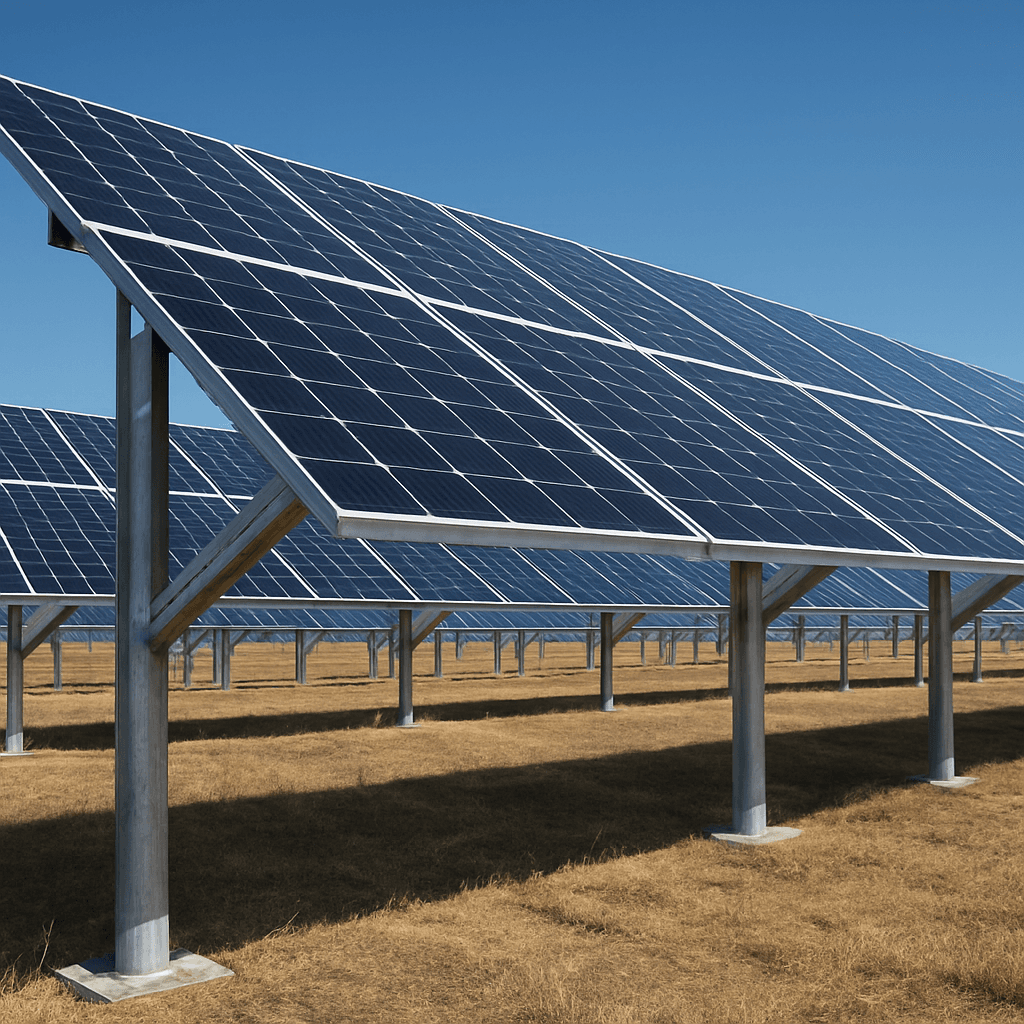
Ground Solar Mounting Systems
Aluminum, pile and galvanized steel ground mounting options for commercial and utility PV projects, selected according to soil condition, foundation method and project layout.
View products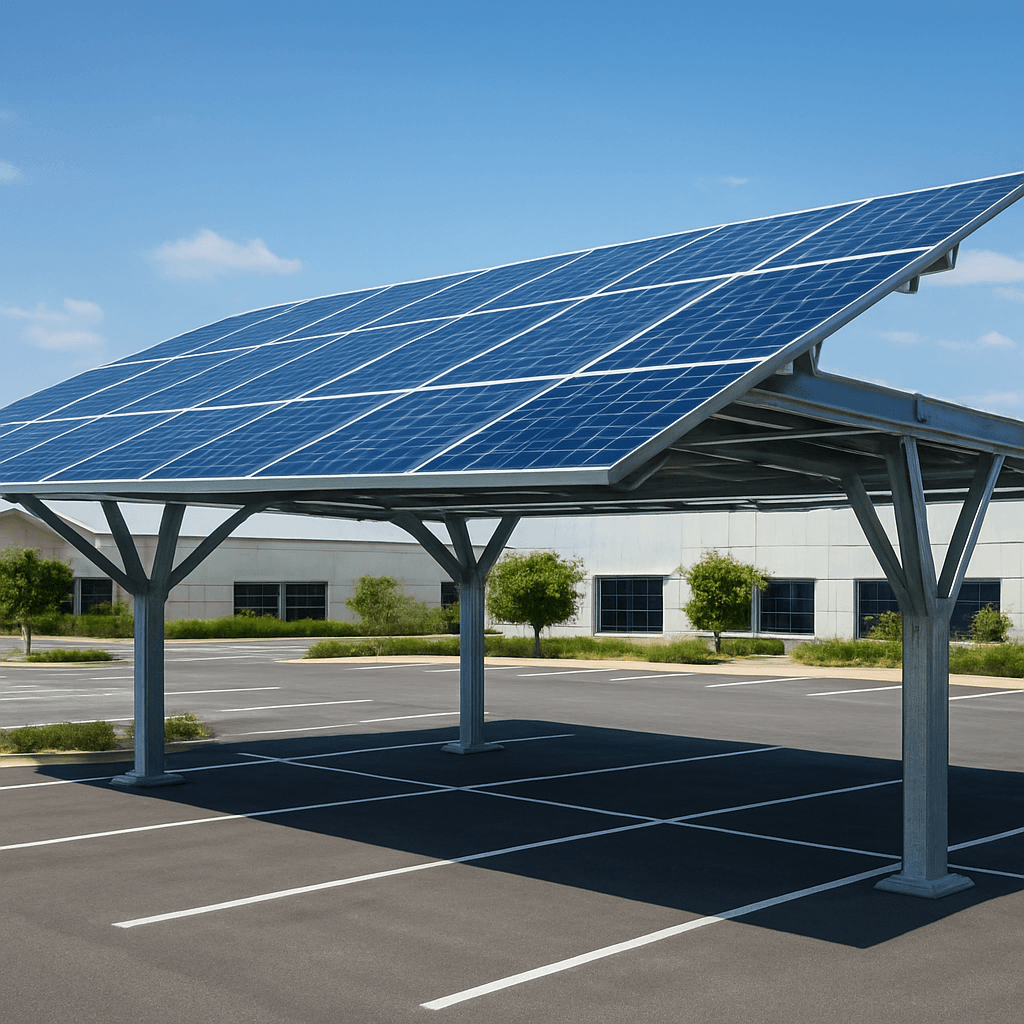
Solar Carport Mounting Systems
Steel solar carport structures for commercial parking areas, project sites and customized layouts requiring strength, drainage and long-term outdoor durability.
View products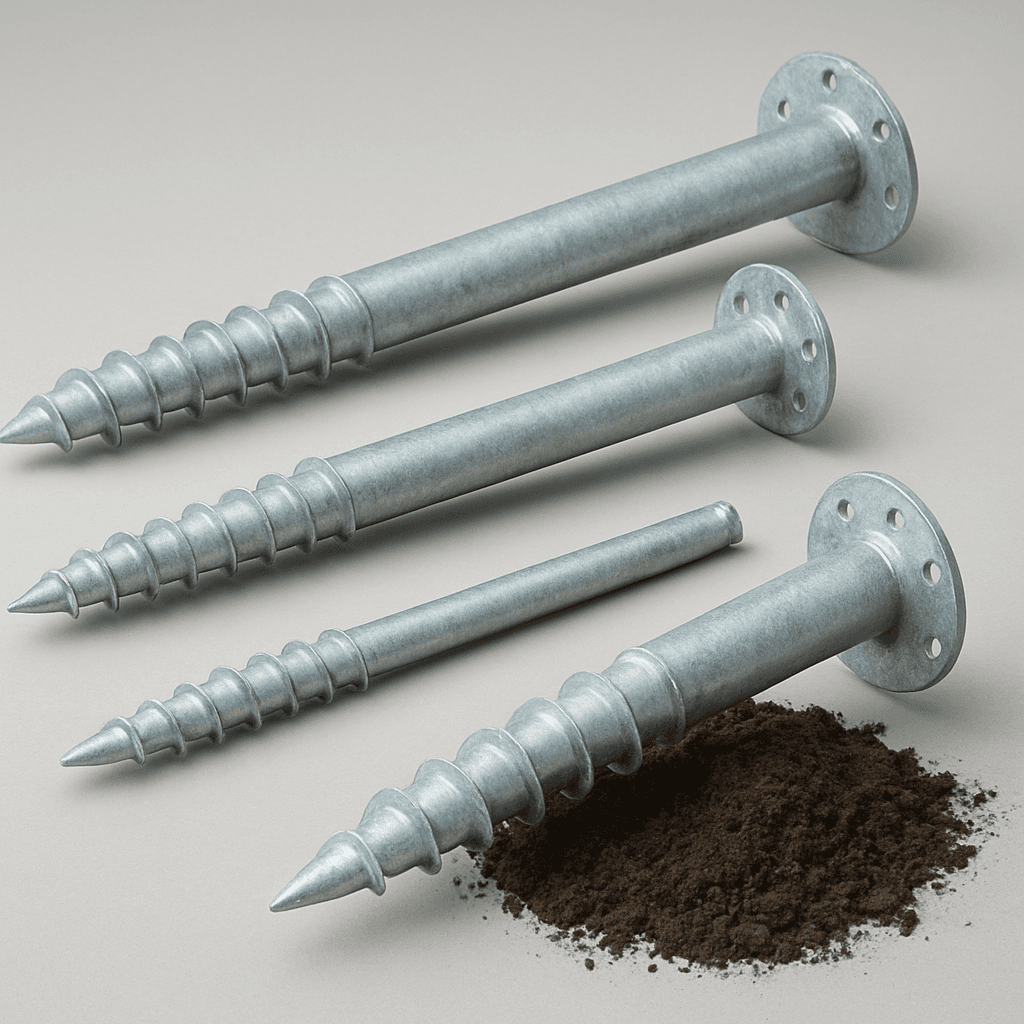
Ground Screws
Galvanized ground screw foundation products for ground solar mounting systems, selected according to soil condition, diameter, length and pull-out requirements.
View products