
Tile Roof Solar Mounting: How to Choose Roof Hooks and Flashing
Struggling to find the right hardware for a tile roof solar project? You’re not alone. It’s a high-stakes decision where a single wrong component can lead to cracked tiles, a leaking roof, and an unhappy client. This uncertainty causes project delays and creates a huge risk of costly callbacks down the road. The key to a secure and waterproof tile roof solar mounting system lies in a methodical approach to choosing the right roof hooks and flashing from the very beginning.
To choose the right tile roof hooks and flashing, you must first identify the specific tile profile (e.g., Flat, Spanish S, W-tile) and the underlying roof structure. The correct hardware is not a single product but an integrated system where the hook provides structural attachment without stressing the tile, and the flashing provides a guaranteed waterproof seal at the roof penetration. The selection process must account for tile shape, rafter spacing, and local wind and snow loads to ensure long-term integrity.
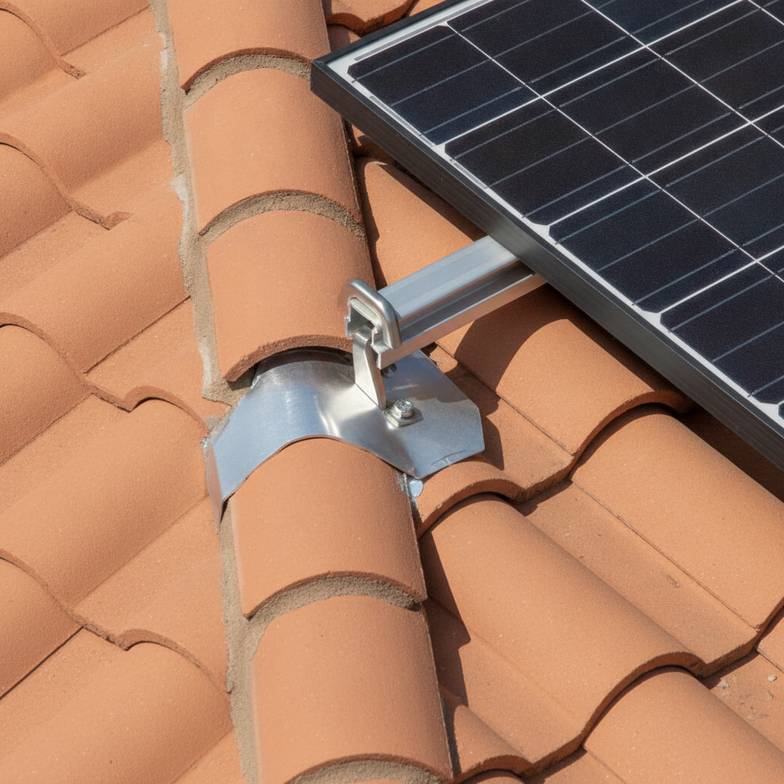
Now that you understand the core principle—it's a system, not just a part—let's get into the details that matter. How do you match a hook to a specific tile? And why do we insist that flashing is the most critical component for preventing leaks? Let's break it down so you can source your next project with confidence.
How Do I Choose the Right Tile Roof Hook?
Choosing a tile hook can feel like searching for a needle in a haystack. You're worried about cracking those expensive, brittle tiles, or finding out mid-installation that the hooks don't align with the rafters. This is a common headache for installers.
The right tile roof hook is one that matches your tile's specific profile (flat, S-shaped, W-shaped) and offers enough adjustability to clear the tile's curves without causing stress. At the same time, it must fasten securely to the roof's structural members, like the rafters, to handle the required loads.
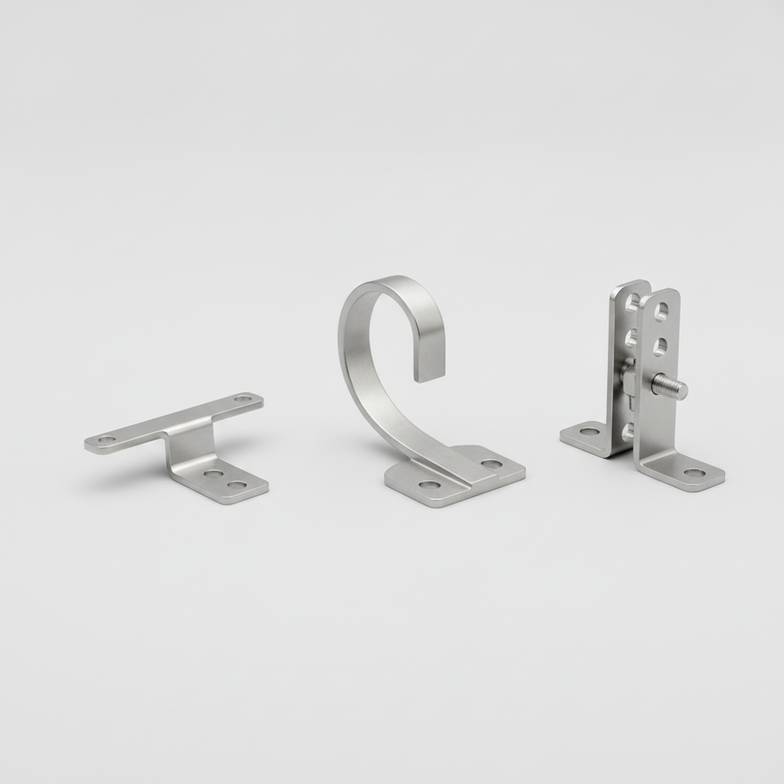
Dive Deeper: Matching the Hook to the Job
A common question we get from installers is, "Which is your best tile hook?" The honest answer is always, "It depends on your roof." Focusing on the roof first is the most important step in the entire process.
It Starts with Identifying the Tile Profile
There is no "universal" tile hook because there is no universal roof tile. The shape of the hook's arm and its height are designed to navigate the specific geometry of a tile. The main categories you'll encounter are:
Flat Tiles: These are the most straightforward. Flat tile hooks have a simple, low-profile arm. The main challenge here is ensuring the hook's thickness doesn't create a pressure point that could crack the tile over time.
Spanish S-Tiles: These curved tiles require a hook with a higher, curved arm that can sit in the "valley" of the tile and extend up and over the peak of the tile below it. The hook must provide clearance without touching and stressing the tile.
W-Tiles (or Double Roman): These have a more complex profile with multiple curves. They often require highly specific hooks or an adjustable hook that can be configured to navigate the unique shape.
When you send us an inquiry, including a clear photo of the tile profile and its dimensions (width, height, thickness) is the fastest way for us to recommend a compatible solution.
Fixed vs. Adjustable Hooks: What's the Trade-off?
Once you know the tile shape, you'll often face a choice between fixed and adjustable hooks.
| Feature | Fixed Hooks | Adjustable Hooks |
|---|---|---|
| Design | Single-piece construction, no moving parts. | Two or three-piece design with bolts for adjustment. |
| Adjustment | None. "What you see is what you get." | Height and/or lateral (side-to-side) adjustment. |
| Best For | New, perfectly uniform roofs where rafters and tiles are consistently spaced. | Older or uneven roofs, complex tile profiles. |
| Pros | Simpler, potentially lower cost, faster to install if everything lines up. | Forgiving, allows for leveling the array, helps avoid point loading on tiles. |
| Cons | No room for error. A slightly warped rafter can make installation impossible. | Slightly higher cost per unit, requires an extra step to tighten adjustment bolts. |
I remember talking to an installer who switched to adjustable hooks halfway through a project. He told me it saved him and his crew an entire day of work because the old roof had settled unevenly. That flexibility isn't a luxury; on many job sites, it's a necessity.
The Base Plate and Attachment Points
Finally, look at how the hook attaches to the roof. The base plate should have multiple screw holes to give you options for hitting the center of the rafter. The hook must be fastened directly to a structural member—typically a rafter—with appropriate lag bolts. Simply attaching it to the roof decking is not sufficient to handle wind and snow loads.
Why is Flashing So Critical for Tile Roof Solar Mounting?
You’ve selected the perfect hook that fits the tile like a glove. But what's stopping rainwater from finding its way down the new penetration you just made in the roof's underlayment? Thinking you can just apply a bead of sealant and call it a day is one of the costliest mistakes you can make.
Flashing is the dedicated waterproofing component of your tile roof solar mounting system. It's engineered to integrate with the roofing layers—the underlayment and the tiles—to create a multi-layered barrier. It mechanically diverts water down and away from the roof penetration, ensuring a leak-proof seal that lasts as long as the solar array itself.
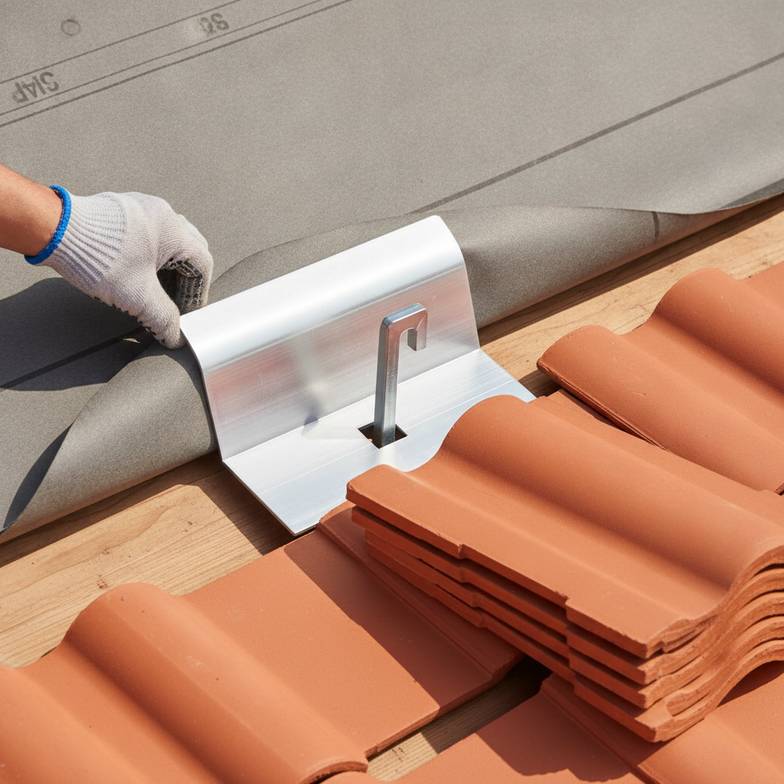
Dive Deeper: How Flashing Creates a Waterproof System
Many buyers initially focus on the hook's price, but the real long-term cost of a tile roof installation often comes from water damage. That's why we treat flashing as a non-negotiable part of the system.
Flashing Works by Shedding Water, Not Blocking It
A common misconception is that flashing is just a cover. In reality, it's an intricate part of the roof's water-shedding system. Proper installation involves:
Integrating with Underlayment: The top edge of the flashing is slid under the roofing underlayment (felt or synthetic) on the upslope side.
Layering Tiles: The flashing base then sits on top of the underlayment. The upslope tiles are layered over the top of the flashing.
Directing Flow: The downslope portion of the flashing is placed over the tops of the downslope tiles.
This "in-and-out" layering creates a path of least resistance for water. Any moisture that gets under the tiles is caught by the flashing and directed back out onto the roof surface, never reaching the penetration point. Sealant, on the other hand, acts as a dam. When it eventually cracks from UV exposure and thermal cycling, it traps water and funnels it directly into the hole you were trying to protect.
Types of Flashing for Tile Roofs
You'll find a few primary types of flashing designed for tile roofs, each with its own use case.
Deck-Level Flashing: This is a flat or slightly raised piece of metal that is installed directly on the roof deck, integrating with the underlayment. The tile hook's post comes up through a sealed collar or opening in the flashing. It's a robust solution because the primary seal is protected under the tiles.
Tile-Replacement Flashing: This flashing is formed into the shape of a tile itself. You remove one tile from the roof and replace it with this metal flashing. The hook arm comes through a slot in the flashing. It can be easier to install since you don't have to cut a tile, but the seal around the hook arm is exposed to the elements and must be robust.
Flexible/Malleable Flashing: Some flashing systems use a base made of a soft, malleable metal like aluminum, often with an EPDM rubber boot or collar. This allows the installer to form the flashing base to fit the exact contours of a complex tile profile, creating a custom, water-tight fit.
The right choice depends on the tile, the hook system, and installer preference, but the principle of water shedding remains the same. A qualified supplier should offer a flashing solution that is tested and proven to work with their specific hook system.
What Material is Best for Hooks and Fasteners?
When you're looking at spec sheets, seeing different materials like "SUS304 Stainless Steel" or "Anodized Aluminum" can be confusing. Does choosing the wrong one mean your installation will rust apart in a few years, compromising the entire solar array?
The best material ultimately depends on your project's environment and the specific component's function. For structural parts like tile roof solar mounting hooks, stainless steel (specifically Grade 304) is the industry standard for its strength and excellent corrosion resistance. For flashing, aluminum is often used for its malleability and weather resistance. The key is ensuring all components are high-quality and rated for your local conditions.
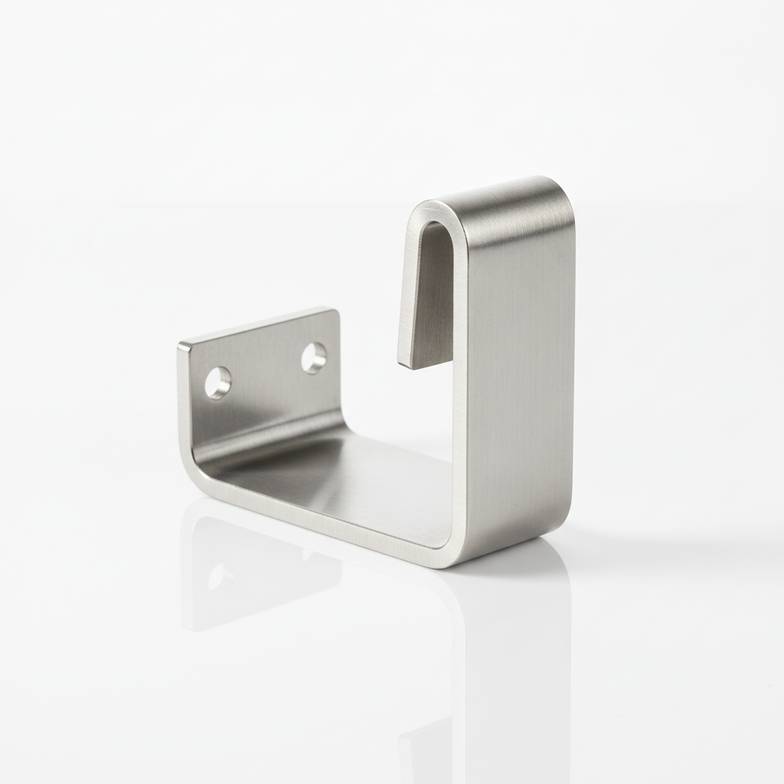
Dive Deeper: Material Science for Solar Mounting
A procurement-ready inquiry isn't just about price; it's about ensuring the materials specified are right for the job site's expected lifetime of 25+ years.
Stainless Steel: The Go-To for Structural Hooks
The roof hooks are the structural backbone of your array. They bear the weight of the panels and resist powerful wind and snow loads. This is why you'll see them made almost exclusively from stainless steel.
SUS304 (A2 Stainless): This is the workhorse of the solar industry. It contains approximately 18% chromium and 8% nickel, which gives it fantastic resistance to rust and corrosion in most environments. For the vast majority of inland projects, SUS304 is the perfect balance of strength, longevity, and cost.
SUS316 (A4 or Marine-Grade Stainless): If your project is in a highly corrosive environment—think coastal areas with salt spray or industrial zones with chemical pollutants—you should consider upgrading to SUS316. It includes molybdenum, which significantly enhances its resistance to chlorides (like salt). It costs more, but it's essential for ensuring the system's integrity in these harsh conditions.
Aluminum and its Role in Flashing
While hooks need brute strength, flashing needs to be waterproof, durable, and easy to form. This is where aluminum shines. High-quality flashing is typically made from a durable aluminum alloy that won't rust. It's lightweight and malleable, allowing installers to shape it perfectly to the roof contours on-site. Since the flashing isn't a primary load-bearing component, the extreme tensile strength of steel isn't necessary.
Don't Forget the Fasteners and Galvanic Corrosion
The lag bolts or structural screws used to anchor the hooks are just as critical as the hooks themselves. They must also be made from a high-quality, corrosion-resistant material—typically stainless steel—to match the lifespan of the hook.
A pro tip: Be mindful of galvanic corrosion. This is an electrochemical reaction that can occur when two dissimilar metals are in contact in the presence of an electrolyte (like rainwater). For example, using galvanized steel bolts with a stainless steel hook can cause the less noble metal (the galvanized coating on the bolt) to corrode prematurely. A good supplier ensures all system components are materially compatible.
Frequently Asked Questions
How much weight can a tile roof hook hold?
This isn't a single number. The load capacity depends on the specific hook model, the strength of the rafter it's attached to, and the quality of the installation. Load capacity for any tile roof solar mounting system must be verified by a qualified professional against project-specific wind, snow, and seismic load requirements.
Can I install solar on any type of roof tile?
You can install solar on most, but not all, roof tiles. Extremely fragile materials like slate or certain old clay tiles require highly specialized hardware and installation techniques. It's critical to identify the tile material (concrete, clay, slate) and profile before committing to a project or ordering hardware.
Do I need to drill through the tiles?
Generally, no, and you should avoid it. The best practice is to remove the tile where the hook will be placed, install the hook directly to the roof structure, install the flashing, and then carefully cut or grind the bottom of the overlying tile so it fits neatly around the hook's arm. This prevents point-loading and dramatically reduces the risk of cracking the tile.
What information do I need to get an accurate quote for tile roof hooks?
To get a fast and accurate proposal from us, please provide: your tile type and profile (photos and dimensions are best), the rafter material (e.g., wood) and spacing, and your project's local wind and snow load requirements. This allows us to recommend a complete and appropriate system.
Conclusion
Choosing the right hardware for a tile roof solar mounting project is not about hunting for a single "best" hook. It's a deliberate risk management process. It starts with understanding the specific roof you're working on—its tile profile and structure. From there, you select a hook that provides a secure anchor without stressing the tile, and you must pair it with an integrated flashing system to create a permanent, waterproof seal. Prioritizing this system-based approach over small upfront cost savings is the difference between a successful 25-year installation and a project plagued by leaks and liability.
Ready to de-risk your next tile roof project? Contact our team at XINVOK. Submit your project details—your tile profile, structural information, and load requirements—and let us help you configure a complete, reliable, and watertight tile roof solar mounting solution.
Written by
XINVOK Technical Team
Practical solar mounting knowledge for EPC teams, distributors and project buyers.
Project inquiry
Talk to Our Team
Share your project location, module size, mounting type, quantity and customization requirements.
Related Products
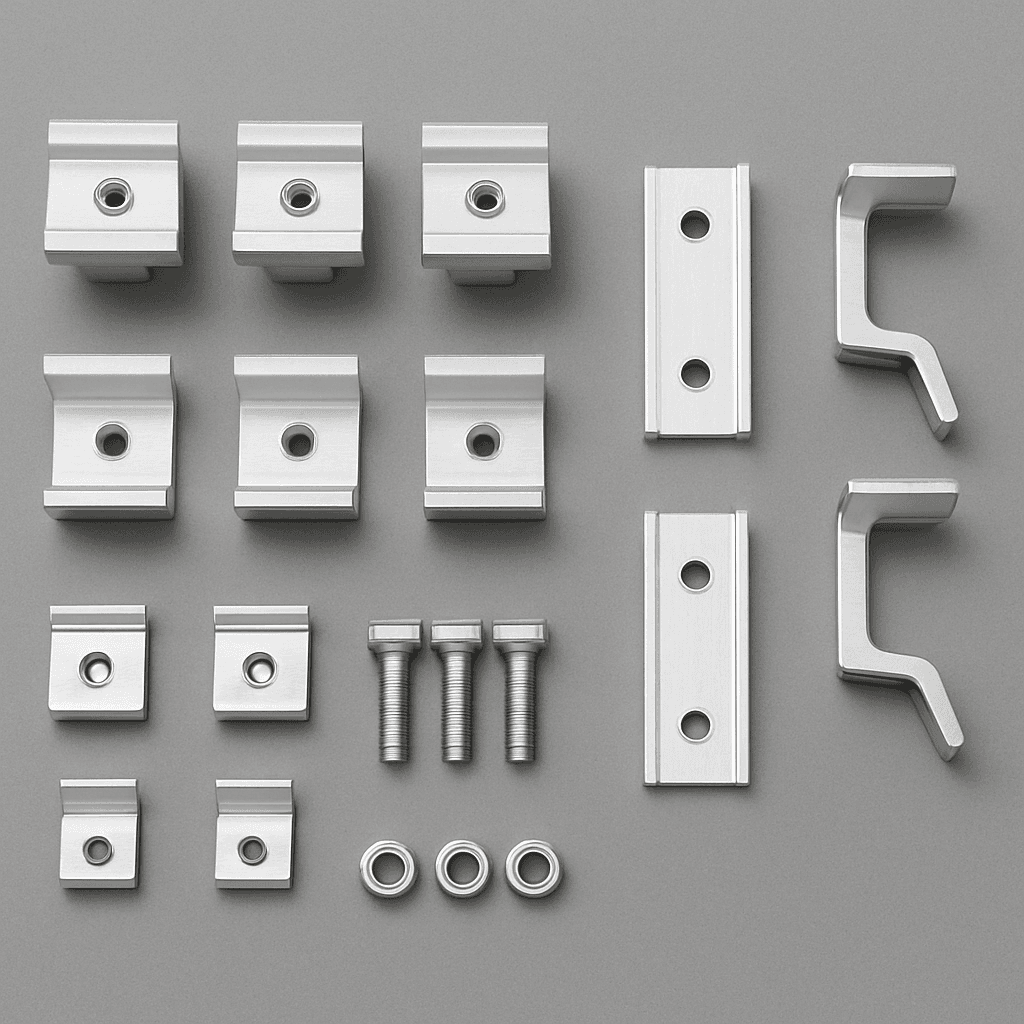
Solar Mounting Accessories
Rails, mid clamps, end clamps, roof hooks, grounding clips, cable clips, bolts and fasteners for roof and ground PV installation.
View products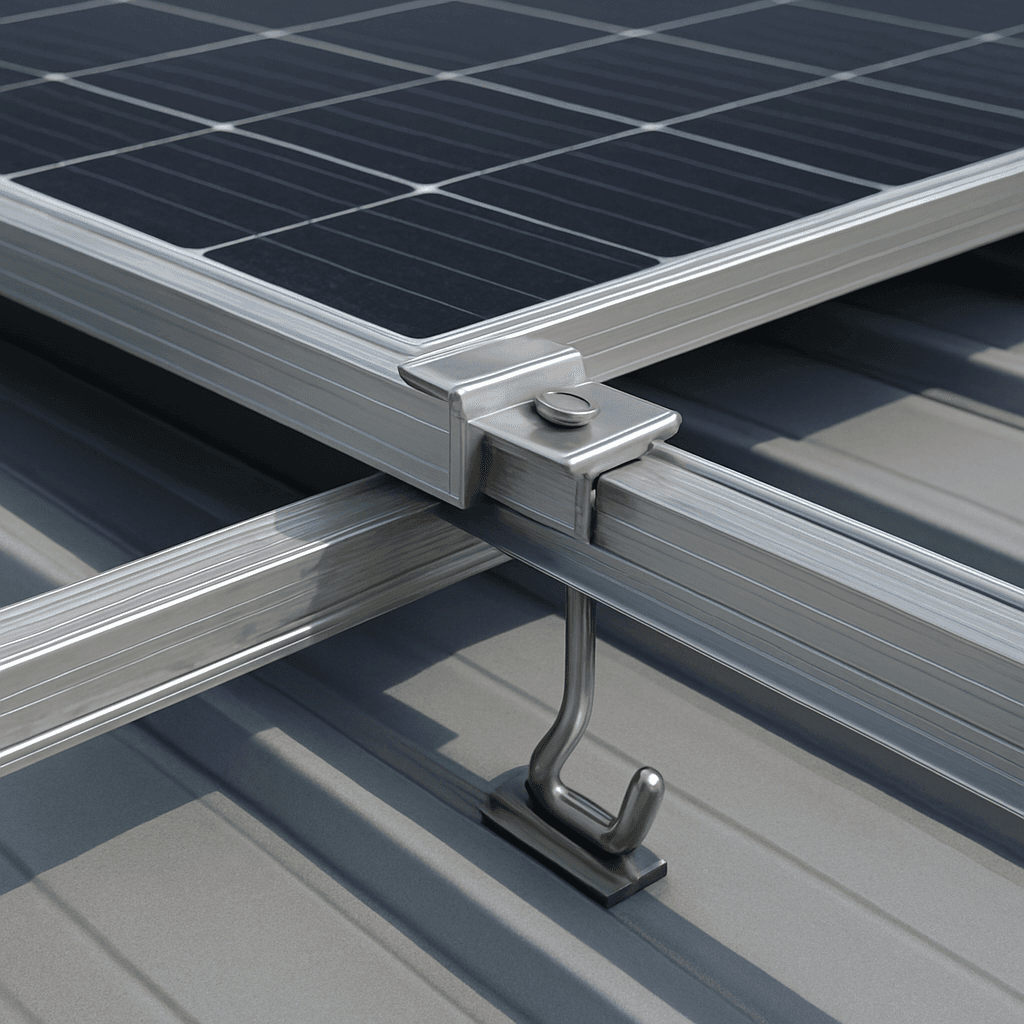
Roof Solar Mounting Systems
Mounting systems for metal roof, tile roof, flat concrete roof and asphalt shingle roof projects, with rails, clamps, hooks and fasteners matched by roof type.
View products