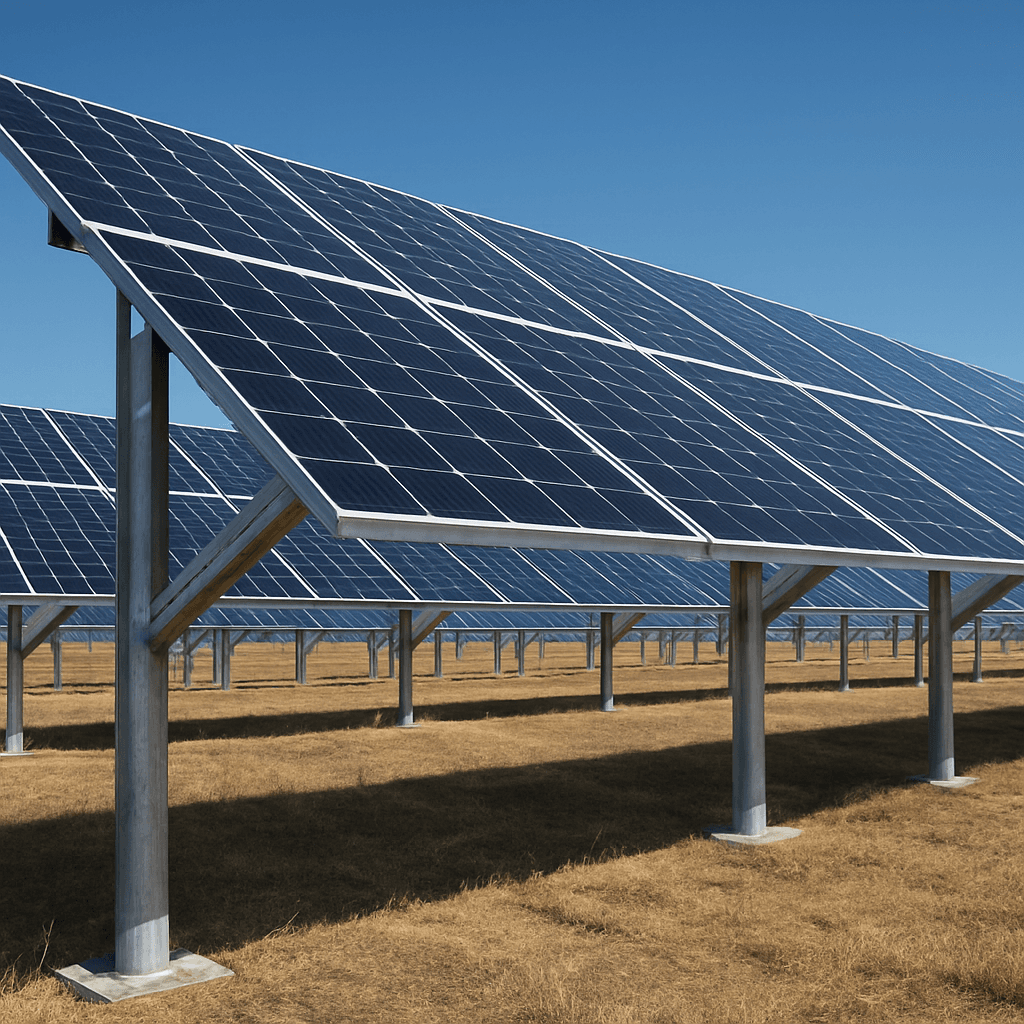
Ground-Mounted Solar vs. Rooftop Solar: Which Fits Your Commercial Project?
Deciding on the right solar installation for your commercial property is a huge step. You're weighing the choice between ground-mounted solar vs. rooftop solar, and the pressure is on to get it right. A misstep here can mean budget overruns, operational headaches, or a system that just doesn't deliver the expected returns. This guide will help you navigate that decision by focusing on what really matters for your specific project.
The best choice in the ground-mounted solar vs. rooftop solar debate isn't about which is technically superior, but which one best aligns with your commercial project’s specific site conditions, structural capacity, land availability, and long-term financial model. Rooftop solar leverages existing, underutilized assets if the structure is sound, while ground-mounted solar offers greater scale and energy optimization when you have suitable land.
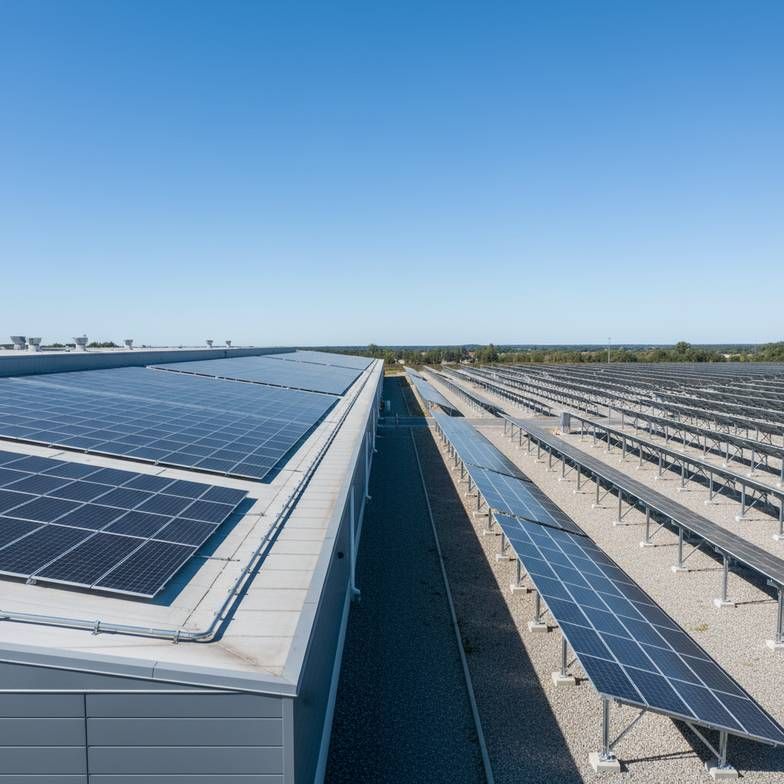
Now that you have the quick answer, let's break down the critical factors that will drive your decision. Based on the hundreds of project inquiries I see from EPC contractors and developers, the devil is truly in the details. Getting these details right upfront is the key to a successful, profitable solar investment.
What Are the Key Decision Factors for Rooftop Solar Systems?
Putting solar panels on a big commercial roof seems like a simple way to generate clean energy and use "dead" space. But if you don't look closely at the building itself, you could be heading for serious trouble like roof leaks, structural overload, or accidentally voiding your roof's warranty. Let's focus on the must-haves you need to check before committing to a rooftop solar system.
The most critical factors for a rooftop solar system are the roof's structural load-bearing capacity, its age and material composition, and the status of its warranty. These three elements will ultimately determine if your project is feasible, safe, and financially viable in the long run.
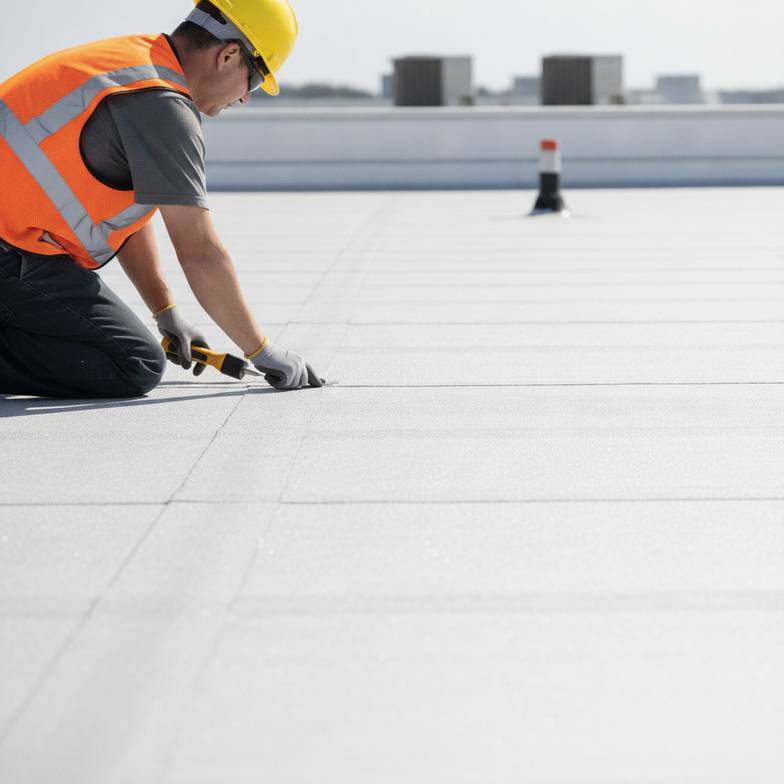
Dive Deeper: The Roof Is Your Foundation
When you choose a rooftop solar system, you're not just buying racking and panels; you're placing a 25+ year asset on top of another critical building asset. A common oversight I see in project planning is focusing too much on the solar equipment and not enough on the roof itself.
Structural Integrity Is Non-Negotiable
First things first: can your roof handle the weight? You need to account for more than just the panels.
Dead Load: This is the constant, static weight of the solar array itself—panels, racking, ballasts, and hardware. A typical system adds about 4-6 pounds per square foot (psf).
Live Load: This is the variable weight from things like snow, ice, and wind. Your building was designed for a specific maximum snow and wind load. The solar array adds to this, and a structural engineer must verify that the combined load is safely within the building's limits. I've had to tell potential buyers that their project was a no-go because the building's roof, while perfectly fine on its own, just didn't have the extra capacity for a solar system in a high-snow region.
Point Loads: Attached systems concentrate weight at specific connection points. Ballasted systems spread it out. An engineer needs to confirm the roof can handle these specific stresses without damage.
Bottom line: Before you even request a quote for racking, get a professional structural analysis of your building. It’s a necessary cost that de-risks the entire project.
Roof Age, Material, and Warranty
A solar array is designed to last 25 to 30 years. Does your roof have that much life left in it?
Putting a brand-new solar system on a 15-year-old TPO roof is a recipe for a very expensive problem in 10 years. You’ll have to pay to remove the entire array, replace the roof, and then reinstall the array. The best practice is to align the solar project with a new roof installation or a roof that's very early in its lifecycle.
Also, consider the warranty. Most commercial roof warranties are voided if you make unapproved penetrations.
Penetrating Systems: These physically bolt the racking to the roof's structural members. They are secure but require meticulous waterproofing by certified installers to maintain the roof's integrity.
Ballasted Systems: These use concrete blocks to hold the array in place, avoiding penetrations. However, they add significant weight and may not be suitable for all roofs or in high-wind zones.
Always work with your roofing contractor to understand the warranty implications.
Accessibility and Long-Term Maintenance
Finally, think about how you’ll service the system. Can maintenance crews safely access the panels, inverters, and wiring? Does the layout block access to HVAC units, vents, or drains? A well-planned layout includes designated walkways and considers all existing rooftop equipment. Planning for maintenance from day one saves major headaches and costs down the road.
When Does Ground-Mounted Solar Make More Sense for Your Project?
You've got a stretch of open land next to your facility, so a ground-mounted solar system seems like the obvious choice. Be careful. Underestimating factors like soil conditions, site grading, and foundation costs can quickly inflate your budget and turn a promising project into a financial drag. So, let's look at the scenarios where a ground-mounted system is truly the best fit.
A ground-mounted solar system is the superior choice when you have available and suitable land, need a system larger than your roof can support, or want to precisely control the tilt and orientation to maximize energy production and long-term ROI.
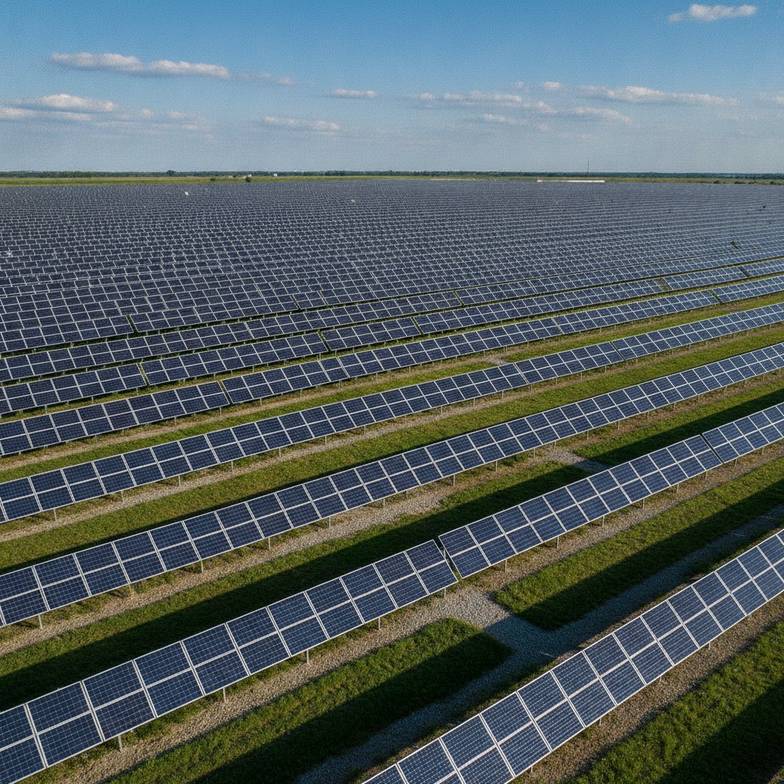
Dive Deeper: The Ground is Your Biggest Variable
Unlike a rooftop where the structure is already defined, a ground-mounted project starts with a blank slate—the land itself. This offers freedom but also introduces major variables that many project planners underestimate. From the inquiries we receive, the most common reason for budget overruns on ground-mount projects is unforeseen site and soil conditions.
The Land is Your Foundation (Literally)
The single most important document for a ground-mount project is a geotechnical report. Don't even think about skipping it to save a few thousand dollars. This report analyzes the soil and determines your foundation options, which is a massive cost driver.
Soil Type: Is the ground rocky, sandy, clay, or a mix? Rocky soil can make driving piles impossible, forcing a switch to more expensive ballasted or helical pile foundations. Corrosive soil may require galvanized steel with a thicker coating or a switch to aluminum.
Foundation Options:
Driven Piles (I-beams, C-posts): Most common and cost-effective, but only work in cooperative soil.
Helical Piles (Screw Piles): Great for softer soils or where you need to minimize ground disturbance, but can be more expensive.
Concrete Ballasts: Used when you can't penetrate the ground at all (e.g., on a landfill cap or in solid rock). This method involves significant concrete and labor costs.
Frost Line: In colder climates, foundations must be set below the frost line to prevent "frost heave" from pushing the array out of alignment. A geotechnical report will specify this depth.
Scalability and Optimal Production
This is where ground-mounted systems truly shine. You aren't limited by rooftop dimensions, HVAC units, or shaded areas.
Optimal Tilt & Azimuth: You can orient every panel to the perfect angle (tilt) and direction (azimuth) for your location to capture the maximum amount of sunlight year-round. This can boost energy production by 10-25% compared to a rooftop system that is forced to follow the roof's orientation.
Unlimited Scale: You can build an array as large as your land and budget allow. This is why nearly all utility-scale solar farms are ground-mounted. If your energy needs exceed your roof space, ground-mount is the only way to go.
Easier Maintenance: Cleaning, inspecting, and repairing panels at ground level is safer, faster, and cheaper than doing it on a roof.
Land Use, Permitting, and Site Prep
With land comes regulation. Permitting for a ground-mounted project can be more intensive, involving zoning laws, environmental impact studies (e.g., for wetlands or habitats), and sometimes public hearings. You also have to factor in the cost of site preparation: clearing trees, grading the land to ensure proper drainage, and trenching for electrical conduits.
How Do Costs and ROI Compare in the Ground-Mounted Solar vs. Rooftop Solar Debate?
You're building the financial case for your project, and the big question is always cost. It's tempting to just compare the hardware price per watt, but that's a classic mistake that can lead you to a poor investment. To understand the true financial picture in the ground-mounted solar vs. rooftop solar debate, we need to look at the total project cost and how it impacts your Levelized Cost of Energy (LCOE).
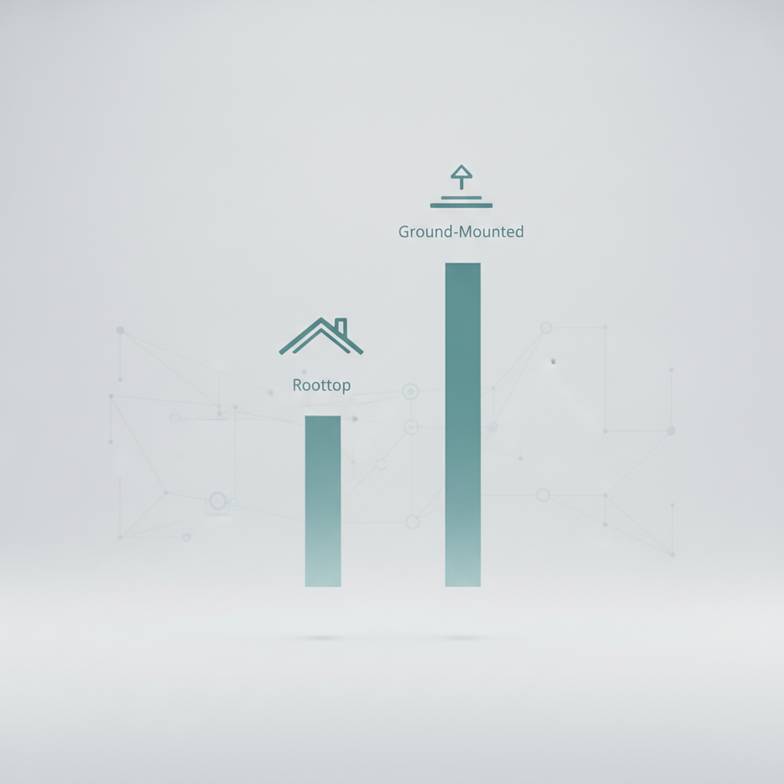
Rooftop solar typically has a lower initial capital expenditure because you don't have to buy or prepare land. However, a ground-mounted solar system can often deliver a better long-term ROI on a per-watt basis, thanks to higher energy production and lower maintenance costs, especially for larger commercial projects.
Dive Deeper: It’s All About the LCOE
A smart solar investor thinks in terms of LCOE, not just the upfront price tag. LCOE = Total Lifecycle Cost / Total Lifetime Energy Production. It's the average price you pay for every kilowatt-hour (kWh) the system generates over its life. A lower LCOE means a better return on your investment.
Let's break down how different cost factors play into the LCOE for each system type.
Cost Factor: Initial Hardware | Rooftop Solar System: Lower (less structural material per panel) | Ground-Mounted Solar System: Higher (more steel/aluminum for substructure)
Cost Factor: Land Costs | Rooftop Solar System: None (uses existing building asset) | Ground-Mounted Solar System: Can be a major cost (acquisition or opportunity cost)
Cost Factor: Site Prep & Foundation | Rooftop Solar System: Minimal (roof cleaning, safety anchors) | Ground-Mounted Solar System: High (geotechnical survey, grading, foundations)
Cost Factor: Structural Engineering | Rooftop Solar System: High (requires full building assessment) | Ground-Mounted Solar System: Moderate (focused on the racking structure itself)
Cost Factor: Labor & Installation | Rooftop Solar System: Can be complex (logistics, safety, material handling) | Ground-Mounted Solar System: Can be highly efficient at scale with heavy machinery
Cost Factor: Permitting | Rooftop Solar System: Generally simpler, tied to building permits | Ground-Mounted Solar System: Can be more complex (zoning, environmental reviews)
Cost Factor: Long-Term O&M | Rooftop Solar System: More complex access, potential roof repair risks | Ground-Mounted Solar System: Easier, safer access for cleaning and repairs
Cost Factor: Energy Production | Rooftop Solar System: Good, but limited by roof orientation and obstacles | Ground-Mounted Solar System: Excellent, optimized for maximum production
Thinking in LCOE, Not Just Upfront Cost
A ground-mounted system might have a 20% higher upfront cost due to foundation and site work. However, if its optimized orientation allows it to produce 15% more energy every year for 25 years, its LCOE could end up being significantly lower than a rooftop alternative. The higher energy output pays back the initial investment faster and generates more revenue or savings over the project's lifetime.
Factoring in the Hidden and Long-Term Costs
Your financial model needs to account for costs that aren't on the initial quote.
For Rooftop: The biggest hidden cost is a premature roof replacement. If you have to remove and reinstall the solar array after 10 years, it can devastate your project's ROI. This risk must be factored into your financial projections.
For Ground-Mount: The biggest hidden cost is unforeseen ground conditions. Hitting a ledge of rock that wasn't detected by the geotechnical survey can force a costly change in foundation design mid-project. Similarly, long trenching runs to connect to the grid can add significant expense.
Based on our experience as a supplier, the most successful projects are those where the buyer has done their homework on these "hidden" risks. A good procurement partner won't just sell you racking; they'll ask you about your structural reports and geotechnical data to ensure you're selecting a system that minimizes these long-term financial risks.
Frequently Asked Questions
Can any commercial roof support a solar panel system?
No, definitely not. A thorough structural analysis by a qualified engineer is mandatory. They must confirm the roof can safely support the combined "dead load" of the system and the "live loads" from wind and snow specific to your location. The roof's age and condition are also critical factors.
Is it more expensive to maintain a ground-mounted or rooftop solar array?
Generally, it's cheaper and easier to maintain a ground-mounted array. Technicians can safely walk up to the panels for cleaning, inspection, and repairs. Accessing rooftop systems requires more safety equipment and logistical planning, which often translates to higher labor costs for any maintenance task.
Does a ground-mounted system always produce more power?
Usually, yes. With a ground-mounted system, you can set the panels at the perfect tilt and orientation (azimuth) for your geographic location to maximize sun exposure. Rooftop systems are often constrained by the roof's existing slope and direction, which may not be ideal for solar production, resulting in lower overall energy output.
How does snow or wind affect the choice between ground-mounted vs. rooftop solar?
In high-wind areas, rooftop systems may require more attachments or ballast, increasing weight and cost. Ground-mounted systems can be engineered with stronger foundations to withstand very high winds. For snow, ground-mounted systems can be set at a steeper tilt to help snow slide off and can be installed higher off the ground to avoid being buried.
Conclusion
Ultimately, the discussion of ground-mounted solar vs. rooftop solar doesn't have a single "best" answer. The right choice is a strategic decision rooted in your project's unique circumstances. For projects with a structurally sound, modern roof and limited land, a rooftop system is a brilliant way to leverage an existing asset. For projects demanding maximum energy output, scalability, and where suitable land is available, a ground-mounted system will almost always provide a better long-term financial return despite higher initial costs.
Your path forward is clear: start with a detailed assessment. Get the structural engineering report for your roof. Commission a geotechnical survey for your land. Analyze your energy needs and financial goals. Once you have this critical information in hand, you can make an informed decision.
When you're ready to move from planning to procurement, we're here to help. Submit your project details—including site information, drawings, and required specifications—and our team can prepare a comprehensive mounting solution and quotation designed to ensure your project is a success.
Written by
XINVOK Technical Team
Practical solar mounting knowledge for EPC teams, distributors and project buyers.
Project inquiry
Talk to Our Team
Share your project location, module size, mounting type, quantity and customization requirements.